
My Honest Coursera Review: Diving Deep into Their AI Courses
-
- April 21, 2025

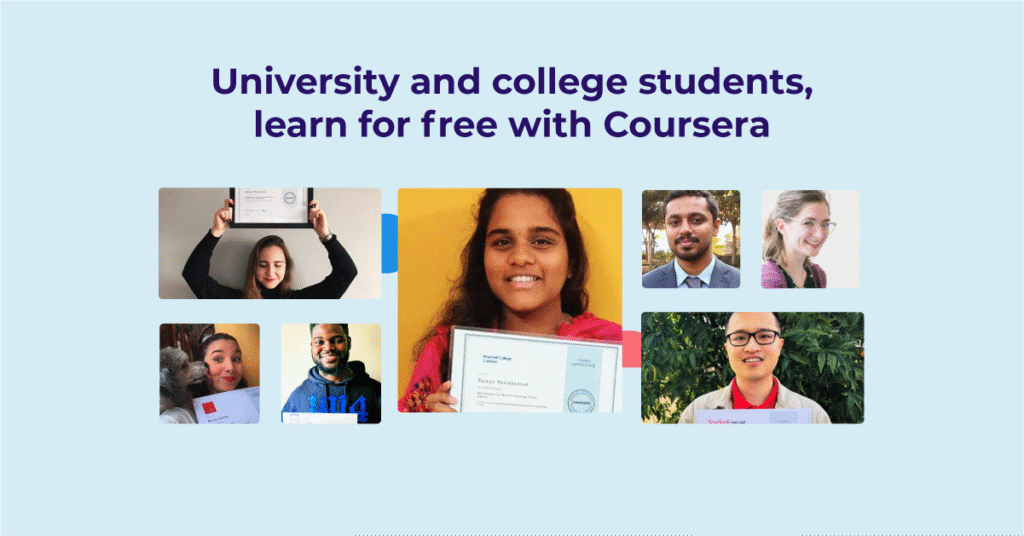
Okay, let’s dive deep into the world of Coursera. I’m going to share my personal journey and honest thoughts about this massive online learning platform. I’ve spent considerable time exploring its offerings. It feels like a digital university campus sometimes. I want this to be super easy for you to read. I’ll keep my sentences short. I’ll use “I” a lot. Get ready for a straightforward chat about what Coursera is and what it offers, especially in hot fields like artificial intelligence. Let’s start.
My First Steps into the Coursera World
I remember the first time I heard about online courses. It felt a bit strange. Could I really learn complex things through a screen? I was skeptical, to be honest. My traditional education felt so structured. Sitting in a classroom seemed the only way. But the world was changing fast. New skills were becoming essential. I saw friends talking about this platform called Coursera. They said it offered courses from top universities. This got my attention. I was looking for something specific. I needed to update my skills. My industry was evolving rapidly. Staying still felt like falling behind.
I decided to take a look. The website was easy to navigate. I started Browse subjects. There were so many options. Business, arts, science, technology. Everything seemed to be there. It felt a little overwhelming at first. Where should I even begin? I knew I needed practical skills. Something relevant to the modern job market. Data science, machine learning, and yes, artificial intelligence were all buzzing topics. They seemed important. They felt like the future.
I audited my first course. Auditing means you can watch the videos. You can read the materials. But you don’t pay. You don’t get a certificate. This was perfect for me. It was a low-risk way to try it out. The course was on a business topic. I wanted to see how online learning worked. The videos were high quality. The instructor was engaging. It felt surprisingly like being in a real lecture. I could pause the video. I could rewind. I could watch it in my pajamas. This was already better than commuting! The assignments were clear. The quizzes tested my understanding. I started to see the potential. This wasn’t just passive watching. It required active participation. I completed the course materials. I didn’t get the certificate. But I gained new knowledge. My skepticism started to fade. I was hooked.
What Exactly is Coursera?
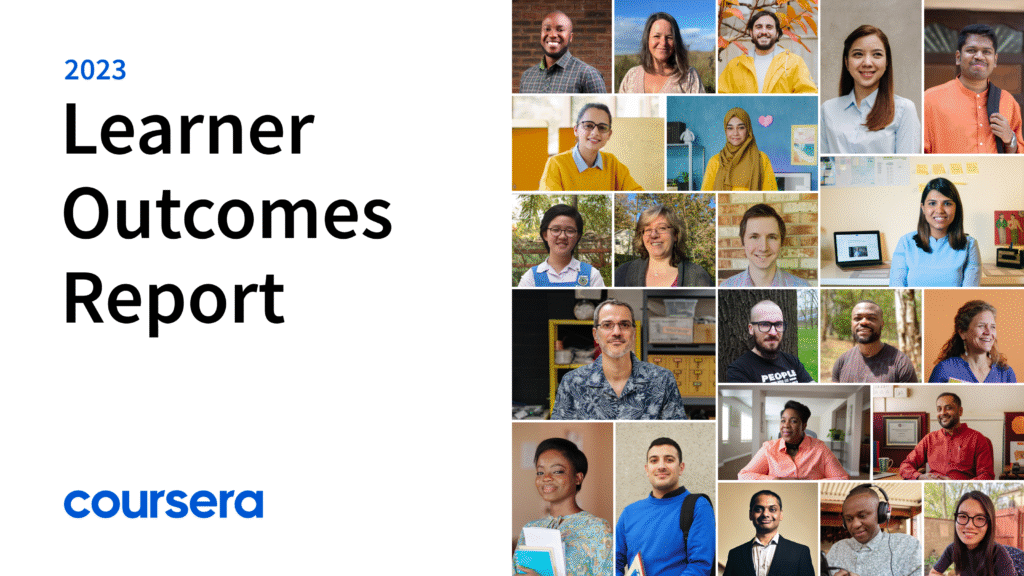
So, what is Coursera at its core? Think of it as a huge online marketplace for education. But not just any education. It partners with over 200 leading universities. These are institutions like Stanford, Yale, and top international schools. It also partners with major companies. Companies like Google, IBM, and Meta. These partners create and teach the courses. This is a key difference. You are learning from experts. You are learning from recognized institutions.
The platform offers different types of learning experiences. You can take single courses. These focus on a specific topic. They usually last several weeks. You can complete them at your own pace. Then there are Specializations. These are a series of related courses. They build on each other. They usually end with a capstone project. This project lets you apply what you learned. It’s like a mini-portfolio piece. Professional Certificates are also popular. These are designed with career skills in mind. Companies often back these certificates. They signal job readiness in a specific area. Finally, Coursera even offers full Bachelor’s and Master’s degrees online. Yes, you can earn a university degree through the platform. That’s a significant commitment. But it shows the depth of their offerings.
Coursera aims to provide universal access. Access to the world’s best education. This is their mission statement. They make a lot of content available for free audit. This is fantastic for exploration. It’s great for lifelong learners. Paying unlocks more features. It gives you graded assignments. It allows you to earn certificates. These certificates are shareable. You can put them on your LinkedIn profile. You can add them to your resume.
Exploring the Breadth of Content
The sheer variety on Coursera is staggering. I’ve dipped my toes into many different areas. I took a course on public speaking. It helped me feel more confident. I explored financial markets in another course. It demystified investing for me. I even tried a creative writing workshop. It sparked a new hobby. The quality varies slightly. This depends on the instructor. It also depends on the course design. But overall, the standard is very high.
The courses are well-structured. They typically include video lectures. There are readings provided. You get quizzes to check understanding. Discussion forums connect learners. You can ask questions there. Instructors or teaching assistants sometimes participate. Peers also help each other out. Assignments often involve peer review. You grade others’ work. They grade yours. This can be hit or miss. Sometimes the feedback is insightful. Sometimes it’s not very helpful. But it forces you to think critically. You analyze your own work better.
The content isn’t just academic. There are practical skills everywhere. Learn Python programming. Master project management. Understand digital marketing. Explore graphic design principles. The list goes on and on. This focus on practical, in-demand skills is a major draw. It’s why many people come to Coursera. They want skills for a new job. They want to improve in their current role. Or they are just curious about something new.
Deep Dive: AI Courses on Coursera
Now, let’s talk about a really hot area. Artificial Intelligence. Everyone is talking about AI. It’s changing industries. It’s changing jobs. Many people feel they need to understand it. They want to learn ai courses coursera. Where do you start with something so complex? Coursera has become a leading platform for this. The coursera ai courses selection is truly impressive.
If you’re completely new to AI, start with the basics. Coursera has fantastic introductory options. A standout is “AI for Everyone.” This course is incredibly popular. It’s taught by Andrew Ng. He is a globally recognized AI expert. He co-founded Coursera. He led Google Brain. He led Baidu AI Group. His course is designed for non-technical people. That’s important. You don’t need to know programming. You don’t need advanced math. He explains AI concepts clearly. He talks about what AI is. He discusses what it can do. He explains what it cannot do. He covers machine learning, deep learning, and neural networks at a high level. He discusses AI’s impact on business and society. He talks about building an AI strategy. This ai for everyone coursera course is a perfect entry point. It demystifies AI. It makes it accessible. I recommend it highly for anyone curious about the field. It gives you a solid foundation.
Coursera AI Courses for those with Technical Backgrounds
For those with a technical background, the options explode. You can find comprehensive artificial intelligence course coursera offerings. Andrew Ng also teaches the famous “Machine Learning” course. This was one of the original Coursera courses. It’s still widely taken. It covers foundational machine learning algorithms. It uses Octave/MATLAB (though many apply the concepts in Python). It’s quite rigorous. It requires some math background.
Beyond the basics, there are Specializations. The “Deep Learning Specialization” is another gem by Andrew Ng’s DeepLearning.AI. It’s a series of five courses. It takes you from foundational neural networks to building sophisticated deep learning models. You learn about convolutional networks (for images). You learn about recurrent networks (for sequences like text). You work on programming assignments in Python using TensorFlow or Keras. This specialization is challenging. But it’s incredibly rewarding. It gives you hands-on skills. Skills that are in high demand.
Coursera also offers Professional Certificates in AI. IBM has a Professional Certificate in AI Engineering. Google offers one in IT Automation with Python. These include machine learning concepts. There are also certificates focused on specific AI applications. Coursera AI spans many disciplines. You can find courses on AI for healthcare. Courses on AI for finance. Courses on AI for marketing. There are options for natural language processing. Computer vision is covered too. Robotics and planning are available. The variety of coursera ai courses is simply huge.
Learning ai courses coursera gives you practical skills. You learn algorithms. You learn how to code AI models. You learn how to use popular libraries like TensorFlow and PyTorch. You get hands-on projects. You build real AI applications. This project-based learning is crucial. It solidifies your understanding. It builds your portfolio. Having completed an artificial intelligence course coursera with a solid project looks great to employers. It demonstrates your capability. It shows you can apply concepts. The credentials you earn on Coursera can be valuable. They show commitment. They show a recognized level of learning.
I’ve explored several coursera ai offerings myself. I audited the “AI for Everyone” course first. It gave me a great overview. Then I delved into some technical AI courses. The math could be tough at times. The programming assignments required effort. But the structure helped me stay on track. The explanations were generally clear. The peer forums were helpful for troubleshooting. Learning ai courses coursera isn’t easy. It requires dedication. But the resources are there. The path is laid out for you.
The User Experience: Navigating the Platform
How easy is Coursera to use day-to-day? I find it quite intuitive now. When you log in, you see your dashboard. It lists the courses you are enrolled in. You see your progress in each course. The course pages are well-organized. You typically see weekly modules. Each module has videos, readings, and assignments. The video player is good. You can adjust speed. You can turn on captions. Transcripts are available. This helps with note-taking.
Assignments vary. Some are multiple-choice quizzes. Some are programming assignments. Others are writing essays or analyzing case studies. The peer review system, as I mentioned, can be inconsistent. Receiving good feedback is very helpful. Receiving minimal or irrelevant feedback is frustrating. Grading others’ work is part of the learning. It makes you think about criteria. It helps you understand good work.
The discussion forums are a key feature. They are where learners interact. You can ask questions about concepts. You can discuss assignments. You can connect with people worldwide. The responsiveness varies by course. Some forums are very active. Instructors or TAs answer questions regularly. Others are less so. You might rely more on fellow learners. Overall, the platform feels polished. It’s stable. It loads quickly. Finding courses is easy using search and filters. You can filter by subject, skill, partner, and level.
The Learning Experience: More Than Just Videos
Taking a course on Coursera is more than watching lectures. It’s an active process. You set your own schedule mostly. But assignments have deadlines, usually weekly. This structure is helpful. It prevents procrastination. It keeps you moving forward. You learn time management skills. Balancing Coursera with work or other commitments requires discipline.
The quality of instruction is generally high. These are often professors from top universities. They know their subject inside out. They are often good communicators. Some have a very engaging style. Others are more academic. You can usually watch intro videos. This helps you gauge if the instructor’s style fits you.
The hands-on element is important. Especially in technical fields. Coursera AI courses often involve programming exercises. You might use Jupyter notebooks in your browser. You write code. You train models. You see the results. This practical application solidifies theoretical knowledge. It’s the difference between knowing about something and knowing how to do it. The capstone projects in Specializations are highlights. They synthesize everything you learned. They are challenging. But completing one gives you a real sense of accomplishment. It proves you can apply the skills.
Certificates: Do They Hold Weight?
You pay for certificates on Coursera. Or you get them with a Coursera Plus subscription. Do these certificates actually matter? My experience says yes, they can. They aren’t the same as a university degree. But they are more than just a piece of paper.
They signal several things to potential employers. First, they show initiative. You took the time to learn something new. Second, they indicate competence in a specific area. A certificate in Python programming shows you can likely write Python code. A certificate covering coursera ai courses shows you have foundational AI knowledge. Third, they demonstrate completion. You finished a structured learning program. This suggests perseverance.
I’ve listed Coursera certificates on my LinkedIn profile. I’ve mentioned them in interviews. Recruiters and hiring managers recognize Coursera. They know it partners with reputable institutions. They know the courses often involve hands-on work. While a certificate alone might not land you a job, it can definitely help. It can get your resume noticed. It can be a talking point in an interview. Especially if you can discuss the projects you completed. Earning an artificial intelligence course coursera certificate is a tangible outcome. It validates your learning effort. It shows you’re serious about the field.
Pricing and Accessibility
Coursera has different pricing models. This affects accessibility. The free audit option is wonderful. It removes the financial barrier to learning content. Anyone with internet access can learn a huge amount. This aligns with their mission.
To get certificates and graded assignments, you need to pay. You can pay per course. Prices vary, often from $49 to $99 USD. You can pay for a Specialization. This might be a subscription model per month. You pay until you finish. Or you can subscribe to Coursera Plus. This is a subscription for a set period (like a year). It gives you access to most courses and Specializations. You can earn certificates for everything you complete within that time. This is a great option if you plan to take multiple things. It can save a lot of money. I’ve used Coursera Plus. It encourages you to learn more. You feel like you should maximize your subscription.
Financial aid is also available. For most courses and Specializations (not degrees). You can apply if you cannot afford the fee. This requires filling out an application. You explain your financial situation. This makes certificates accessible to more people worldwide. I think this is a very important feature. It democratizes access further. While not everything is free, Coursera tries to make options available.
Strengths and Downsides of Coursera
| Strengths | Potential Downsides & Challenges |
|---|---|
| High-Quality Content: Courses from world-class universities and companies. | Peer Review Inconsistency: Quality of feedback varies greatly. |
| Expert Instructors: Learning from leaders in their fields. | Lack of Direct Instructor Interaction: Rare in large courses; relies on TAs/forums. |
| Diverse Offerings: Huge range of subjects and learning types. | Cost Barrier for Certificates: Can be prohibitive despite financial aid options. |
| Focus on In-Demand Skills: Strong emphasis on tech, data, business, and AI courses. | Variable Course Quality: Some courses are better designed or taught than others. |
| Flexibility: Learn at your own pace; fit learning into your schedule. | Technical Issues: Occasionally, the platform can have minor glitches. |
| Structured Learning Paths: Specializations and certificates guide learning. | Staying Motivated: Requires self-discipline without a physical classroom. |
| Hands-on Projects: Practical application of knowledge encouraged. | |
| Recognized Credentials: Certificates add value to your profile. | |
| Accessibility: Free audit options and financial aid available. | |
| AI Prowess: Top destination for AI courses, from beginner to expert. |
These are not dealbreakers for me. But they are worth being aware of. Managing expectations helps.
Real-Life Impact and Examples
I’ve seen Coursera genuinely change lives. I have a friend who worked in a completely unrelated field. They wanted to get into tech. They took several ai courses coursera. They completed a Professional Certificate in data science. They worked hard on the projects. They built a portfolio. Their Coursera experience was a major factor. It helped them land their first job in data analysis. They used their artificial intelligence course coursera knowledge directly in their new role.
I’ve also seen colleagues use Coursera for upskilling. Someone in marketing took courses on digital advertising. They applied the strategies immediately. Our team saw positive results. I used a negotiation course from Coursera myself. It helped me prepare for salary discussions. The techniques I learned were practical. They actually worked!
My own journey with coursera ai started with curiosity. It turned into practical understanding. It has helped me better communicate with technical teams. It has given me insights into industry trends. While I didn’t become an AI engineer overnight, my coursera ai courses definitely broadened my perspective. They added valuable skills to my repertoire.
Coursera in the Online Learning Landscape
Coursera is a major player. Other platforms exist. Udacity offers Nanodegrees. These are project-focused and often industry-backed. edX is similar to Coursera. It also partners with universities. Khan Academy offers free foundational content. Udemy and Skillshare have massive libraries. They feature courses from independent instructors.
What makes Coursera stand out? Its strong partnerships with top universities. This often translates to academic rigor. It means learning foundational concepts deeply. It also has robust industry partnerships. This ensures relevance to the job market. Its range of offerings, from single courses to degrees, is comprehensive. And for ai courses coursera, it’s definitely a top-tier destination. The quality and variety of coursera ai courses are hard to beat. Especially with the foundational courses taught by pioneers in the field.
Is Coursera Right for You?
So, should you use Coursera? Ask yourself a few questions.
- Are you motivated to learn independently?
- Do you need flexible learning options?
- Are you looking for high-quality content from reputable sources?
- Do you want to learn in-demand skills? (Like taking an artificial intelligence course coursera?)
- Are certificates important to you? (Either for career or personal goals?)
- Are you willing to commit time and effort?
If you answered yes to most of these, Coursera is likely a great fit. Start by auditing a course that interests you. See how you like the platform. Explore the free content first. If you find value, consider paying for a certificate or subscription. Especially if your goal is career advancement. If you want to get into AI, explore the coursera ai offerings. There’s likely a course or specialization perfect for your level.
My Final Thoughts
I’ve spent years learning on Coursera. It has been a valuable resource for me. It opened doors to new knowledge. It helped me develop practical skills. It expanded my understanding of fields like AI. The accessibility of learning from top minds is incredible. I could never have attended Stanford or Yale in person. But I’ve taken courses taught by their professors online.
Coursera is not a magic bullet. It requires your effort. You have to put in the work. You have to stay disciplined. But the platform provides the structure. It provides the resources. It provides the expert instruction. Whether you want to learn a new hobby. Whether you want to switch careers. Whether you want to understand the future of technology like coursera ai. Coursera has something for you.
It’s a powerful tool for lifelong learning. The world is changing rapidly. The need to update our skills is constant. Platforms like Coursera make this possible. They make it accessible. They make it flexible. I plan to keep using Coursera. There’s always more to learn. The world of ai courses coursera alone is vast. It keeps evolving. Coursera evolves with it. It offers new courses constantly. I recommend you give it a try. Start your learning journey today. Explore what Coursera has to offer. Especially in exciting fields like artificial intelligence course coursera. You might be surprised at what you can achieve.
Check out Coursera’s AI courses here! Happy learning!