

AI vs. Traditional Music Production: The Creative Showdown
-
- April 13, 2025

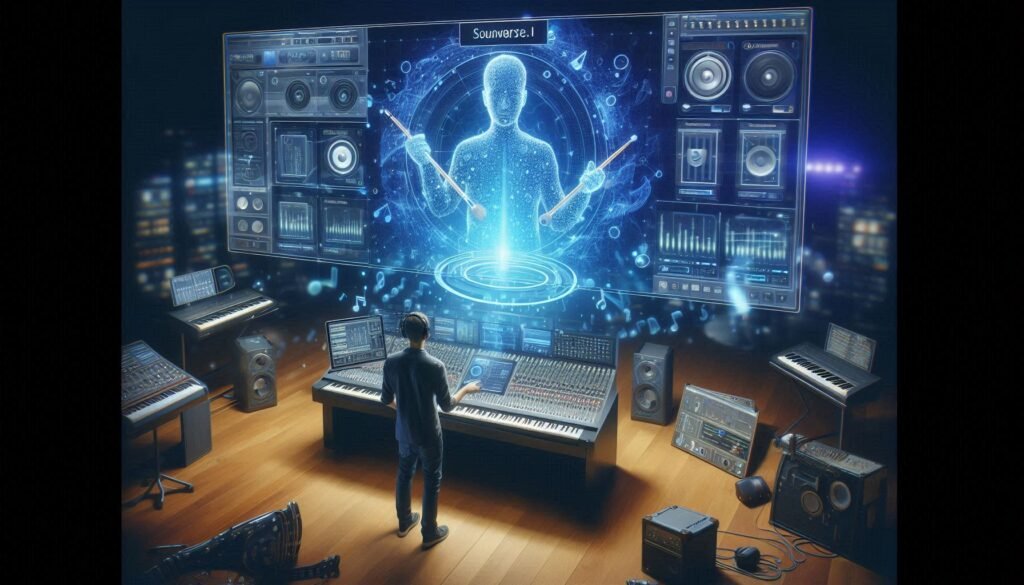
The digital revolution has irrevocably altered the landscape of creative endeavors, and music production is no exception. The emergence of sophisticated ai music generator online platforms has introduced a fascinating new paradigm alongside the time-honored traditions of human musicianship. As someone deeply immersed in the world of sound, both as a listener and a tentative creator, I’ve observed this technological evolution with keen interest. The juxtaposition of algorithmic innovation and the deeply personal nature of traditional music production presents a compelling creative comparison, one that warrants a closer examination of their differences, advantages, and inherent limitations.
The Genesis of Sound: Human Emotion vs. Algorithmic Logic
At its core, traditional music production is an intrinsically human endeavor. It’s a process steeped in years of dedicated practice, the mastery of instruments, and a profound understanding of music theory. Musicians pour their lived experiences, their joys, their sorrows, and their unique perspectives into their compositions. The collaborative spirit often found in bands, orchestras, and ensembles further enriches this process, with shared histories and individual talents intertwining to create a sonic tapestry that reflects the human condition. Think of the intricate harmonies crafted by a vocal group, each voice contributing its distinct timbre and emotional weight. This deeply personal and collaborative genesis of sound stands in stark contrast to the algorithmic approach of AI.
An ai music tool, on the other hand, operates based on logic and data. It meticulously analyzes vast repositories of existing musical works, identifying patterns, structures, and stylistic conventions. When prompted by a user – perhaps with a specified genre, desired mood, or tempo – the AI algorithms generate new musical content based on these learned patterns. The speed of this process is often astonishing, capable of producing complex arrangements in mere seconds. However, this efficiency comes at the cost of the deeply personal and often unpredictable nature of human creativity.
My Initial Dance with the Digital Muse
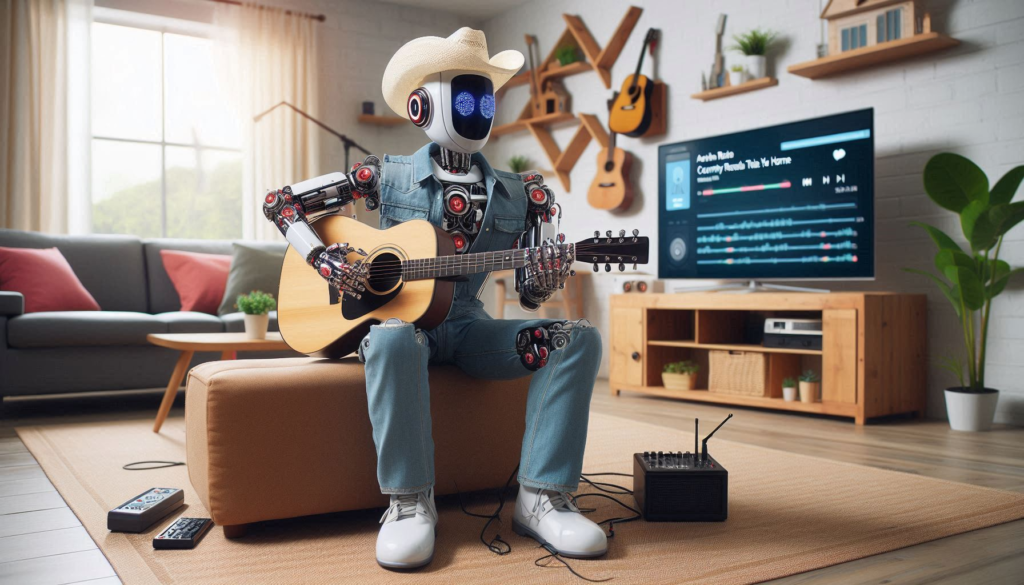
My own first foray into the realm of ai music generator online platforms was marked by a mixture of excitement and trepidation. I had a small independent film project that desperately needed a soundtrack, and the traditional route of hiring a composer felt financially prohibitive. Turning to AI seemed like a pragmatic solution. I selected “Ambient” and “Mysterious,” and almost instantly, the AI conjured a piece that was technically proficient and atmospherically appropriate. Yet, despite its effectiveness, it lacked the subtle nuances and emotional depth that I instinctively seek in music, the kind that often arises from a composer’s personal connection to the narrative.
The Unrivaled Speed and Scalability of AI
One of the undeniable advantages of AI in music generation is its sheer speed and scalability. An ai music tool can churn out musical tracks at a rate that no human composer or ensemble could ever hope to match. This efficiency has profound implications for industries that require a constant stream of musical content, such as online video platforms, gaming, and advertising. Imagine a game developer needing a diverse range of background scores; an ai music remix generator could provide endless variations on a central theme in a fraction of the time and cost of traditional commissioning.
The Inherent Depth and Emotional Resonance of Tradition
Conversely, traditional music production possesses an inherent depth and emotional resonance that algorithms currently struggle to replicate. Human musicians bring their unique interpretive skills, their subtle inflections of phrasing, and their intuitive understanding of emotional nuance to their performances. Consider the soaring guitar solos in iconic ai rock music anthems; a human guitarist imbues each bend and vibrato with feeling, conveying a raw energy that transcends mere technical execution. While an AI might be able to reproduce the notes and rhythms, it often falls short of capturing the intangible essence, the soul that makes the music truly move us.
My Experiments in Algorithmic Remixing
Intrigued by the possibilities, I once experimented with using an ai music generator online to create an ai music remix of one of my own amateur compositions. I uploaded the original recording, curious to see how an algorithm would interpret and transform my musical ideas. The AI produced several interesting reinterpretations, some adding electronic textures, others stripping it down to its barest melodic elements. While these variations offered a novel perspective on my work, they lacked the intuitive understanding of the song’s emotional core that a human collaborator might have brought to the remixing process.
The Genre Agility of Artificial Intelligence
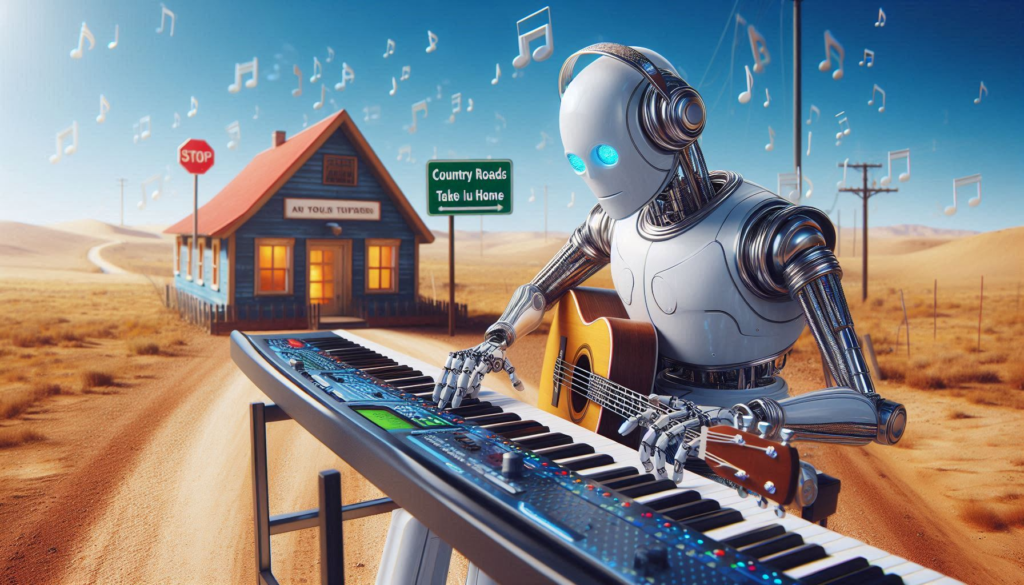
One of the impressive capabilities of AI in music is its versatility across a wide range of genres. I’ve witnessed firsthand its ability to generate an ai country song complete with the characteristic twang of steel guitars and the lonesome strumming of acoustic guitars. Similarly, it can produce energetic and driving ai rock music tracks that capture the genre’s raw power and intensity. This adaptability makes AI a potentially valuable tool for exploring diverse sonic landscapes and for creators who require music in various styles.
The Boundaries of Algorithmic Originality
Despite its genre agility, the creativity of AI in music generation is currently bound by the data it has been trained on. This means that its output can sometimes exhibit a degree of derivativeness, echoing existing musical styles and patterns without achieving truly groundbreaking originality. While an ai music tool can undoubtedly generate technically proficient and stylistically appropriate music, it may struggle to produce the truly innovative and unexpected sounds that often emerge from the unpredictable nature of human artistic exploration. Consider the truly revolutionary musical movements throughout history; they were born from human visionaries pushing boundaries, not from algorithms replicating existing patterns.
My Quest for an AI Country Ballad
When I tasked an ai music generator online with creating an ai country song imbued with genuine pathos, the result was technically competent. It featured the expected chord progressions, instrumentation, and rhythmic feel. However, it lacked the narrative depth, the raw vulnerability, and the authentic emotional storytelling that defines the heart of great country music. It felt more like a well-constructed template than a genuine expression of human experience.
The Symbiotic Potential: AI as an Empowering Partner
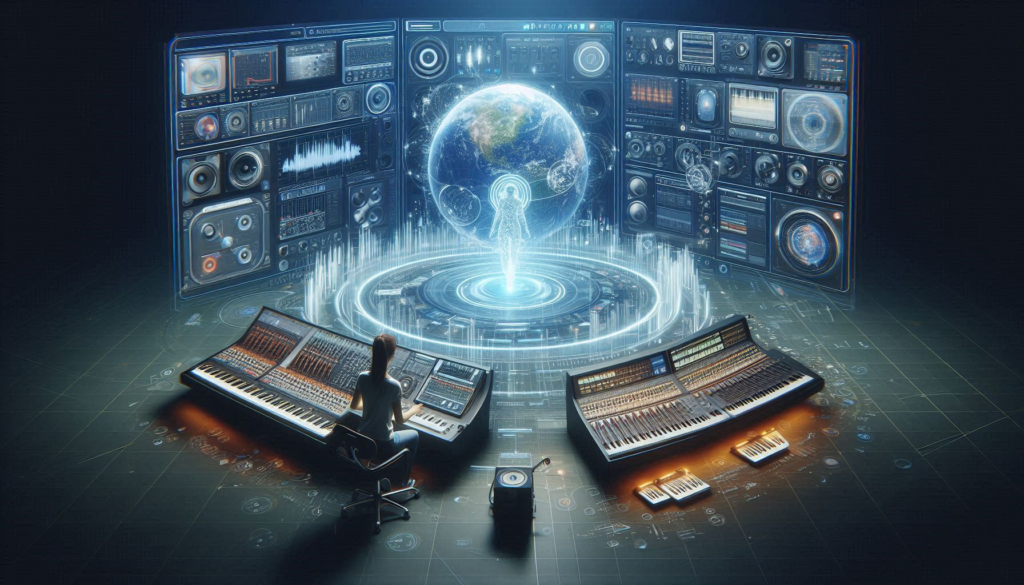
I firmly believe that the most promising future for music creation lies not in a battle between AI and traditional methods, but rather in their synergistic collaboration. AI can serve as an incredibly powerful tool to augment human creativity. It can help musicians overcome creative blocks by quickly generating initial ideas for melodies, harmonies, and arrangements. It can automate tedious tasks, freeing up human musicians to focus on the more nuanced and expressive aspects of their craft. This symbiotic relationship has the potential to unlock exciting new musical possibilities that neither AI nor humans could achieve in isolation.
Leveraging AI for Instrumental Foundations
I’ve personally found an ai music tool particularly useful for generating ai instrumental backing tracks for my songwriting endeavors. When I’m in the early stages of developing a song idea, the AI can quickly create a basic harmonic and rhythmic framework. This allows me to focus on crafting melodies and lyrics without getting bogged down in the often-complex details of instrumentation and arrangement. I can then take the AI-generated track and infuse it with my own musical personality, refining the arrangement, adding live instrumentation, and shaping the overall sonic texture.
The Economic Realities: AI’s Accessibility
The economic realities of music production cannot be ignored. Hiring session musicians, renting studio time, and investing in high-end equipment can be financially daunting, particularly for independent artists and emerging creators. An ai music generator online offers a more accessible and cost-effective alternative for generating high-quality music. This democratization of music creation can empower a wider range of individuals to bring their musical visions to life.
The Irreplaceable Essence of Human Connection
Despite the economic advantages and technical prowess of AI, the intrinsic value of human connection in traditional music production remains irreplaceable. The dynamic interplay between musicians in a rehearsal room, the shared creative energy that ignites in a recording studio, and the profound emotional connection forged through the act of creating music together are all integral to the process. An AI can generate notes and rhythms, but it cannot replicate the spark of human interaction, the intuitive understanding that passes between musicians, and the shared emotional journey that often imbues music with its deepest meaning.
My Encounter with Algorithmic Rock Fury
Experimenting with generating ai rock music was an intriguing exercise. The AI could certainly produce tracks with fast tempos, distorted guitar sounds, and aggressive drumming patterns. However, it often lacked the raw, untamed energy, the rebellious spirit, and the sheer visceral excitement that defines the genre’s most iconic examples. It sounded technically like rock music, but it didn’t feel like rock music in the same gut-wrenching way.
A Future Forged in Collaboration: The Hybrid Model
I firmly believe that the future of music creation will be characterized by a hybrid approach, one that seamlessly integrates the strengths of both AI and traditional methods. AI can handle the more repetitive and computationally intensive tasks, freeing up human musicians to focus on the expressive and nuanced aspects of their art. This collaborative model has the potential to unlock entirely new sonic territories and push the boundaries of musical innovation in ways we are only beginning to comprehend.
The Evolving Landscape of the AI Music Remix
The concept of the ai music remix is also undergoing a significant transformation. Early attempts often resulted in somewhat generic and uninspired reinterpretations of existing tracks. However, as AI algorithms become increasingly sophisticated and are trained on more diverse and nuanced datasets, the resulting remixes are becoming far more creative and insightful. I’ve encountered examples of AI adding unexpected and genuinely interesting twists to familiar songs, offering fresh perspectives and innovative sonic textures without losing the essence of the original composition.
The Enduring Importance of Human Curation and Vision
Even with the remarkable advancements in AI music generation, the role of human curation and artistic vision remains paramount. Someone with a discerning ear and a clear creative direction is still needed to select the most compelling AI-generated tracks, to integrate them effectively into larger projects, and to ultimately shape the final musical product. The human element, the ability to discern quality, to understand emotional impact, and to weave a cohesive artistic narrative, remains an indispensable part of the music creation process.
My Concluding Harmony: Embracing Innovation with Reverence
The advent of the ai music generator online represents a profound shift in the landscape of music creation, presenting both exhilarating possibilities and legitimate concerns. While AI offers unprecedented speed, efficiency, and versatility, it currently lacks the deep emotional intelligence, the unique lived experiences, and the intuitive artistic vision that lie at the heart of truly resonant human music. Traditional music production, with its emphasis on collaboration, personal expression, and the intangible magic of human connection, remains an invaluable and irreplaceable art form.
Ultimately, I believe the most enriching path forward lies in embracing AI not as a competitor, but as a powerful and transformative tool. By thoughtfully integrating its capabilities into our creative workflows, we can enhance and augment human artistry, unlocking new sonic dimensions and democratizing the process of music creation for a wider range of individuals. The future of music is not a zero-sum game of AI versus tradition, but rather a harmonious convergence where the power of algorithms and the soul of human expression intertwine to create a richer and more diverse sonic tapestry for all.